The Ultimate Guide to Recognizing Architectural Shingles for Home Owners
When it comes to selecting the best roof for your home, architectural shingles stand out as a prominent choice. If you're thinking about a long-lasting investment that enhances both worth and aesthetic allure, you could desire to explore what architectural shingles can provide.
What Are Architectural Shingles?
Architectural tiles, frequently called dimensional shingles, are a preferred roof covering option for property owners looking for both design and durability. Unlike typical 3-tab roof shingles, architectural roof shingles feature a layered layout that produces a textured look. This included dimension not only boosts your home's visual appeal however also resembles the look of more expensive products, such as timber or slate.
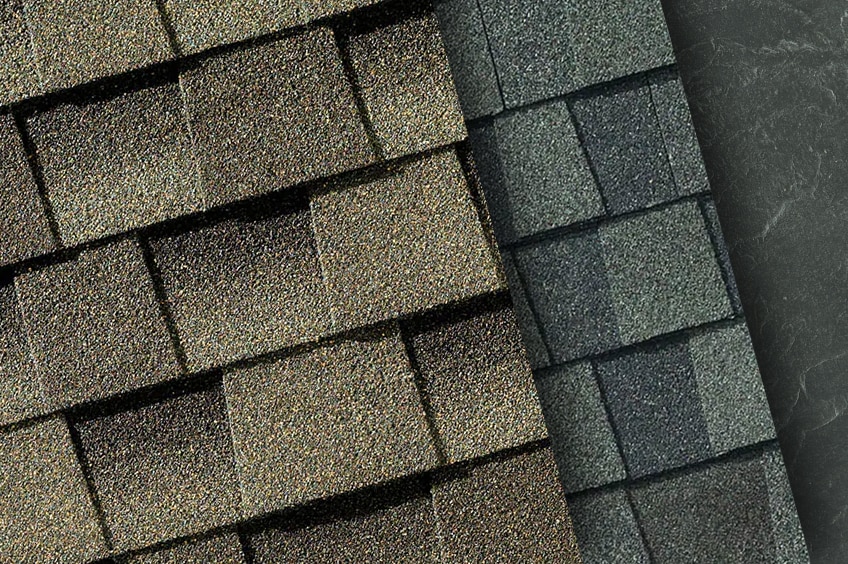
Additionally, building roof shingles boast a longer lifespan contrasted to basic alternatives, making them a wise financial investment. Their weight and density offer added security versus wind and rain, offering you satisfaction. When you choose building shingles, you're integrating looks with practical benefits for your home.
Advantages of Choosing Architectural Roofing Shingles
Choosing building shingles provides countless advantages that can enhance your home's total value and visual appeal. First, their one-of-a-kind style mimics the look of extra expensive materials like wood or slate, offering your home a glamorous look without the substantial cost tag. You'll likewise value their resilience; these roof shingles are engineered to hold up against severe weather, lowering the chance of damages and the need for regular repair services.
In addition, building roof shingles typically include longer guarantees than standard choices, supplying you with satisfaction. They're additionally lighter, which suggests much less stress and anxiety on your roof covering framework. When it come to energy efficiency, many architectural shingles are designed to reflect sunlight, helping to maintain your home colder and potentially reducing power expenses. In general, choosing building roof shingles not just enhances your home's visual appeal but additionally supplies lasting financial savings and security, making them a smart financial investment for any kind of homeowner.
Key Features of Architectural Roofing Shingles
When it comes to roof covering alternatives, building roof shingles attract attention because of their unique layered design and robust building and construction. These tiles supply a three-dimensional look that enhances your home's visual appeal, making it look much more sophisticated and sophisticated. One essential feature is their toughness; they're created to hold up against harsh weather condition conditions, including high winds and hefty rainfall.
You'll likewise value their long life, as lots of building shingles included guarantees ranging from 30 to half a century, giving peace of mind. Another advantage is their weight; they're heavier than typical three-tab tiles, which adds stability to your roof covering.
Furthermore, building shingles are usually made from top notch asphalt, guaranteeing much better resistance to fading and algae development. With different shades and styles readily available, you can conveniently discover a style that matches your home's visual. architectural shingles. These functions make architectural tiles a trendy and smart option for home owners
Setup Refine for Architectural Shingles
Prior to you begin installing building shingles, you'll require to prepare and plan carefully. Comprehending the appropriate setup techniques will ensure your roof is lasting and sturdy. Allow's discover the necessary steps to get your task off on the right foot.
Prep Work and Planning Steps
Although installing building shingles can appear challenging, proper prep work and planning can make the process smoother and a lot more efficient. Measure your roofing system accurately to figure out exactly how lots of roof shingles you'll need, ensuring you account for waste. By taking these steps, you'll establish yourself up for a successful setup and improve your home's aesthetic appeal with stunning building roof shingles.
Installation Techniques Introduction
With your preparation and planning full, it's time to concentrate on the installment methods for building shingles. Begin by putting down a waterproof underlayment to safeguard versus moisture. Begin at the eaves, placing shingles in overlapping rows, ensuring they're aligned correctly. Use a chalk line to maintain straight edges. Secure each tile with 4 nails, situating them listed below the sticky strip to avoid water penetration. Startle the seams between rows for added strength and an extra enticing look. As you get to the ridge, use hip and ridge roof shingles to create a completed look. Finally, evaluate your help any kind of gaps or loosened roof shingles, making sure every little thing is protected and water tight. Proper setup not just boosts looks but additionally lasts much longer.
Upkeep Tips for Architectural Roofing Shingles
To keep your architectural tiles in leading shape, normal maintenance is vital. Start by inspecting your roofing system at the very least two times a year, particularly after severe climate. Seek damaged or loose tiles, in addition to any kind of signs of algae or moss growth. Address them immediately to prevent additional damages. if you spot any problems.
Next, tidy your seamless gutters on a regular basis to assure proper water drainage. Blocked seamless gutters can bring about water merging on your roof, which can harm your shingles in time. You can likewise carefully wash your roof shingles with a mix of water and moderate cleaning agent to eliminate dirt and algae, however prevent high-pressure washing, as it can remove roof shingles.
Lastly, think about trimming my latest blog post overhanging branches to avoid debris build-up and allow sunlight to dry your roof. By following these straightforward actions, you'll aid expand the life of your building roof shingles and preserve your home's curb appeal.
Contrasting Building Roof Shingles to Other Roof Covering Options
When you're picking roof materials, it's important to weigh the advantages and disadvantages of building tiles against various other choices. Consider factors like cost, longevity, and visual charm to find the most effective suitable for your home. Let's damage down just how building shingles compare to conventional asphalt and various other roof covering types.
Cost Contrast Analysis
While you might be drawn to the aesthetic appeal of building tiles, it's important to evaluate how their prices stack up against various other roof covering materials. Generally, architectural roof shingles drop in the mid-range rate category, costing between $90 and $100 per square. In contrast, typical 3-tab shingles are much more affordable, balancing $70 to $80 per square.
Long Life and Durability
Expense is simply one variable to ponder in your roofing decision; longevity and sturdiness play essential roles too (architectural shingles). Architectural shingles generally last 25 to 30 years, outmatching basic asphalt shingles, which may only give you around 15 to 20 years. Their multi-layered design improves their strength, making them more immune to harsh weather problems, including wind and hail storm
When you contrast them to steel roof, which can last up to 50 years, building roof shingles may seem much less durable. They use a terrific balance of cost and long life. Eventually, choosing building shingles implies buying a trustworthy choice that stands the test of time, guaranteeing your home remains safeguarded without requiring frequent substitutes.
Aesthetic Appeal Distinctions
Although you could prioritize resilience when picking roof materials, the visual charm of your roof can substantially affect your home's overall appearance. Architectural tiles use a rich, textured look that simulates the style of conventional timber or slate roofings, enhancing your home's visual allure. On the other hand, three-tab roof shingles tend to provide a flatter, much less dynamic appearance. If you're considering steel or tile alternatives, they can be striking but may not mix as perfectly with particular architectural designs. With architectural roof shingles, you'll discover a range of styles and shades, allowing you to personalize your roof covering to complement your home's exterior. Ultimately, selecting roof covering products that align with your aesthetic choices can boost your residential or commercial property's aesthetic beauty and worth.
Expense Considerations for Architectural Shingles
When thinking about architectural tiles for your home, it's vital to evaluate the overall expenses involved. The discover this first cost of these shingles is generally higher than conventional three-tab options, varying from $90 to $100 per square. However, their resilience and life-span can offset this ahead of time investment. Architectural tiles often last 25 to thirty years, compared to 15 to two decades for common roof shingles.
You need to index likewise consider installment costs, which can differ based on your area and the complexity of your roof. Working with a reliable service provider can ensure quality work, but it might come at a costs.
Don't ignore possible maintenance prices. While architectural tiles require much less maintenance than other products, it's smart to budget for occasional fixings or evaluations. Inevitably, weighing these variables will certainly help you choose if building shingles are the best selection for your spending plan and lasting home investment.
Often Asked Inquiries
The Length Of Time Do Building Shingles Commonly Last?
Architectural roof shingles normally last 25 to 30 years, depending upon aspects like installation environment, top quality, and maintenance. By keeping them clean and inspecting frequently, you can assist expand their life-span and warranty optimal efficiency.
Are Architectural Shingles Suitable for All Climates?
Architectural shingles aren't suitable for all climates. Constantly consider your neighborhood climate when selecting roof products.
Can I Set Up Architectural Roofing Shingles Over My Existing Roofing System?
You can install building tiles over your existing roofing, yet verify the present roofing is in good condition. Check local structure codes, as some locations need a tear-off for proper air flow and architectural honesty.
Do Architectural Tiles Require Special Devices for Installment?
You don't need unique devices for setting up architectural tiles, however having a few important products like a roofing nailer, an utility knife, and a ladder will certainly make the process smoother and much more reliable.
Exist Color Options Available for Architectural Tiles?
Yes, there are a lot of shade options for building roof shingles. You can pick from a selection of shades to match your home's style, whether you favor strong shades or subtle tones to enhance your aesthetic charm.
Conclusion
To summarize, architectural tiles provide you a stylish and sturdy roof remedy that improves your home's worth. With their long life-span and low upkeep needs, they're a wise financial investment for any type of home owner. By comprehending their advantages and functions, you can make an educated choice that matches your aesthetic and spending plan. Whether you're replacing an old roofing system or constructing a new one, architectural shingles are absolutely worth considering for your next roof task.
Architectural roof shingles, often called dimensional shingles, are a prominent roof selection for home owners looking for both design and longevity. Unlike traditional 3-tab shingles, architectural shingles feature a split design that produces a distinctive appearance (architectural shingles). You can likewise carefully wash your shingles with a mixture of water and moderate cleaning agent to eliminate dirt and algae, however prevent high-pressure washing, as it can dislodge roof shingles
Building roof shingles usually last 25 to 30 years, outmatching standard asphalt tiles, which might just offer you around 15 to 20 years. Building roof shingles usually last 25 to 30 years, compared to 15 to 20 years for basic shingles.